Which pakistani kids clothing brands sell eastern wear?
Choosing traditional clothes for children is easier than it used to be. Parents no longer have to depend only on local markets or have every outfit stitched from scratch. Many pakistani kids clothing brands now offer ready-to-wear eastern outfits for babies, toddlers, school-age children, and teenagers. 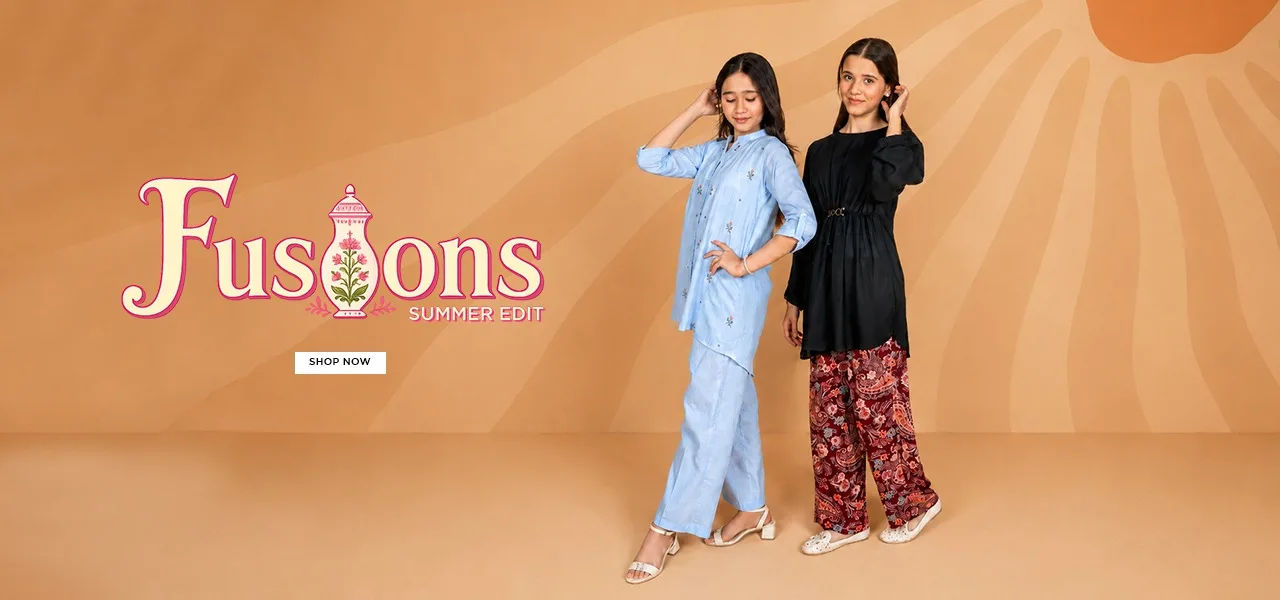 Eastern wear remains especially popular for Eid, weddings, family gatherings, religious occasions, school events, and cultural celebrations. At the same time, many parents want clothes that children can actually move around in. A beautiful outfit is not much use if a child refuses to wear it after ten minutes because it feels uncomfortable.
Among the pakistani kids clothing brands available today, several well-known names combine traditional silhouettes with modern cuts, practical fabrics, and child-friendly designs. Gul Ahmed, Khaadi, Beechtree, and other established labels have collections that include eastern-inspired clothing for children. The exact selection changes by season, age group, and availability, so it is worth checking the current collection before buying.
The good news is that parents can find everything from simple kurtas and shalwar kameez to embroidered suits, festive dresses, waistcoats, and more decorative outfits. The right choice depends on the occasion, the child's age, the weather, and how much decoration is practical.
What Counts as Eastern Wear for Kids?
Eastern wear generally refers to clothing inspired by South Asian traditional dress. For boys, this commonly includes kurtas, shalwar kameez, kurta pajama sets, waistcoats, and festive traditional outfits.
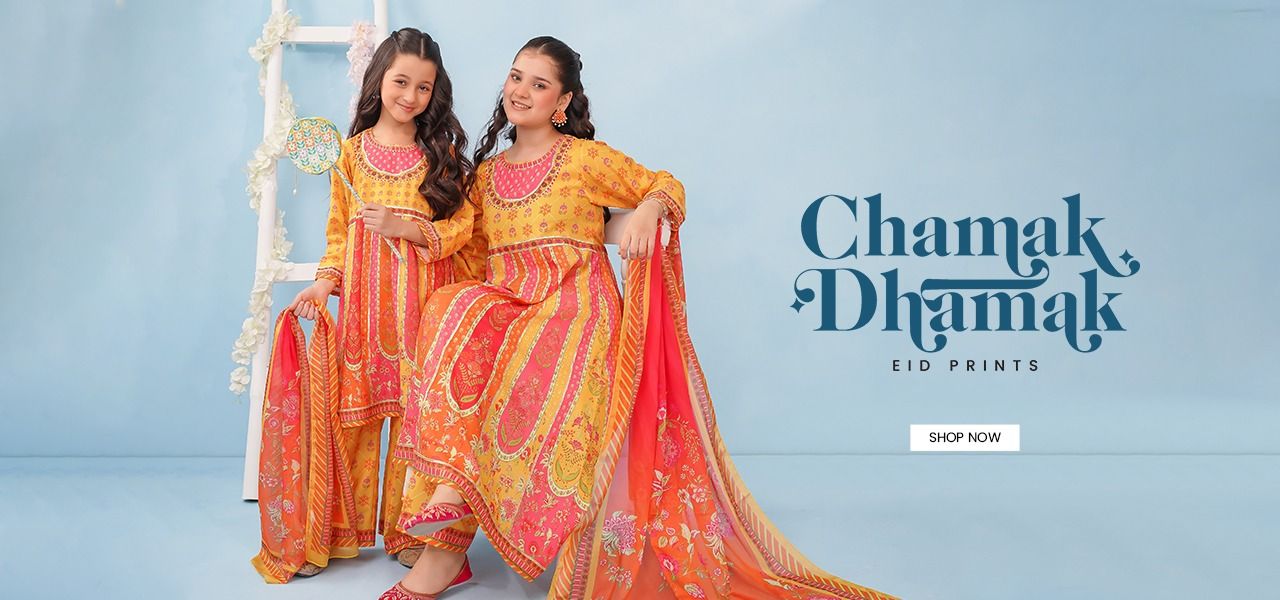
For girls, the choices are broader. They can include shalwar kameez, two-piece suits, embroidered dresses, frocks, ghararas, shararas, lehenga-style outfits, and other traditional silhouettes.
Some modern children's collections mix eastern and western influences. A traditional printed shirt might be paired with trousers instead of a shalwar, for example. This type of fusion clothing can be particularly useful for children who prefer modern shapes but still want a traditional appearance.
The important thing is not whether an outfit follows an old-fashioned design exactly. Eastern children's fashion has changed considerably, and modern brands often reinterpret traditional clothing in ways that make it easier for children to wear.
Gul Ahmed Kids
Gul Ahmed is one of the clearest examples of a major Pakistani retailer offering eastern clothing for children. Its current kids collection includes traditional options such as kurtas, pajama pieces, and waistcoats. The brand also describes its kids range as including eastern clothing suitable for occasions such as Eid and family weddings.
This makes Gul Ahmed particularly useful when parents want a traditional outfit without searching through specialist children's boutiques.
For boys, waistcoats can be an easy way to make a relatively simple kurta pajama look more formal. Gul Ahmed's current kids collection includes several waistcoat designs in different colors and styles.
For girls, parents can look for eastern suits and other traditional pieces depending on the current seasonal collection.
One advantage of choosing an established textile and clothing retailer is that parents can often find both everyday and occasion-appropriate options in the same shopping ecosystem. However, specific styles and sizes change, so an item available in one season may not remain available later.
Khaadi Kids
Khaadi is another familiar name among pakistani kids clothing brands, particularly for parents who want traditional influences with a more contemporary appearance.
Khaadi's children's clothing has historically included smaller versions of traditional clothing such as kurtas and shalwar kameez, along with other children's styles.
The brand is also known for using prints, textures, and colors that can work well for Pakistani weather and everyday dressing. Current availability should always be checked because children's collections can change considerably between seasons.
Khaadi can be a useful choice when the goal is to avoid clothing that looks excessively formal. A simple eastern-inspired outfit can work for family lunches, casual gatherings, school cultural events, or smaller celebrations.
For parents who like coordinated family outfits, another attraction is the possibility of finding related designs across adult and children's collections when seasonal ranges overlap.
Beechtree Kids
Beechtree has a particularly visible eastern-wear section for children. Its current online collection specifically separates kids' eastern wear for boys and girls. The collection includes embroidered suits, dresses, and other traditional designs.
The current collection also covers a wide age range. Listed sizes extend from very young children through the teenage years, although the availability of individual designs can vary.
Beechtree's eastern collection includes fabrics such as lawn, cambric, dobby, doria, raw silk, and other materials. This gives parents the ability to choose according to season and occasion rather than treating every eastern outfit as a heavy formal dress.
Its 2026 kids eastern collection also emphasizes a combination of traditional styling and modern fashion, with breathable materials intended for warmer weather.
This can be particularly helpful in Pakistan, where a heavily decorated outfit may look attractive but become uncomfortable during a long Eid visit or summer wedding.
Other Pakistani Kids Clothing Options
The market is not limited to three or four major names. Parents can find eastern children's clothing through specialist children's labels, textile retailers, online stores, and seasonal collections from larger fashion companies.
Some brands focus heavily on children's fashion, while others introduce kidswear as part of their broader clothing business.
When looking through pakistani kids clothing brands, it is useful to distinguish between brands that consistently maintain a kids eastern collection and brands that only release traditional children's outfits around Eid or wedding seasons.
This distinction matters if you are shopping outside the major festive periods.
A brand may have plenty of western-style everyday clothing throughout the year but introduce embroidered eastern suits for Eid. Another may maintain kurtas, shalwar kameez, and eastern dresses as a regular part of its children's range.
What Should You Look for in Boys' Eastern Wear?
Boys' eastern clothing does not have to be complicated.
A cotton kurta pajama is one of the most practical choices for hot weather. It can be worn at home, during family visits, or for a relatively casual celebration.
For Eid and weddings, adding a waistcoat can make the same basic outfit look more formal. This is one reason waistcoats remain popular in boys' festive fashion.
Parents should pay attention to the length of the kurta. A child who runs, climbs, and plays needs enough room for movement. Excessively long clothing can become inconvenient, particularly for younger children.
Fabric also matters. Cotton and other breathable materials are generally more comfortable in hot conditions than heavy fabrics. For winter events, warmer materials can make more sense.
Decorative buttons, embroidery, and embellishments can look attractive, but they should not interfere with movement or irritate the child's skin.
What Should You Look for in Girls' Eastern Wear?
Girls have considerably more variety in eastern clothing.
A simple two-piece suit can be appropriate for everyday use or a family gathering. More elaborate embroidered outfits are better suited to Eid dinners, weddings, and other formal events.
Shalwar kameez remains a classic choice, while shararas, ghararas, lehenga-inspired outfits, and embroidered dresses can create a more festive appearance.
The child's age should influence the design. Younger girls often need lightweight clothing with simple fastenings. Complicated layers, long dupattas, or excessive embellishment may look beautiful but can be difficult for an active child.
For older girls, the choice can be more flexible. They may have stronger preferences about colors, sleeves, embroidery, and overall style.
The best pakistani kids clothing brands generally offer enough variety to accommodate these differences, but parents should still examine the individual garment rather than assuming that every item from a brand will be equally comfortable.
Eastern Wear for Eid
Eid is one of the biggest occasions for buying traditional children's clothing in Pakistan.
Parents often look for coordinated outfits that feel special without becoming uncomfortable. Boys may wear a kurta pajama with a waistcoat, while girls may wear embroidered suits, festive dresses, shararas, or other traditional designs.
The timing of the purchase matters. Popular sizes can sell quickly before Eid, especially for widely advertised designs.
It is also sensible to check the fabric before buying. An outfit designed for a cool indoor event may not be comfortable during a hot Eid morning.
Current collections from brands such as Gul Ahmed and Beechtree demonstrate how children's eastern wear now covers both relatively simple outfits and more decorative festive pieces.
Eastern Wear for Weddings
Wedding clothing usually allows more decoration than everyday eastern wear.
For boys, a kurta with a waistcoat is a practical combination because the waistcoat adds formality without requiring an elaborate full outfit.
For girls, embroidered suits, festive two-piece sets, shararas, and lehenga-inspired designs can work well.
However, parents should consider how long the child will actually be wearing the outfit. Weddings can last for several hours, and children may become uncomfortable in stiff fabrics or heavy embellishments.
A lighter outfit with attractive detailing can sometimes be more practical than a heavily decorated garment.
Choosing the Right Fabric
Fabric is one of the most important factors in children's clothing.
In hot Pakistani weather, breathable fabrics are usually more comfortable. Lawn, cotton, cambric, and similar lightweight materials can be suitable depending on the garment and season.
Beechtree's current kids eastern collection demonstrates the range of fabrics brands are using, including lawn, cambric, dobby, doria, and raw silk.
Winter clothing requires a different approach. Parents may prefer thicker fabrics or layering rather than putting a child into a lightweight summer outfit.
The child's activity level matters too. A child who spends most of a wedding running around needs different clothing from a child who will mostly sit with family.
Checking Sizes Before Ordering
Children grow quickly, which makes sizing more complicated than shopping for adults.
Do not rely solely on age labels. A six-year-old child may not have the same measurements as another six-year-old.
Check the brand's actual size chart whenever possible. Look at garment length, chest, shoulder width, sleeve length, and trouser measurements.
Beechtree, for example, provides detailed measurements for several age ranges in its current eastern kids collection.
If a child is between sizes, think about the type of garment. A slightly loose kurta may be acceptable, while an oversized formal dress could be awkward.
It is also worth remembering that children's clothing can shrink depending on the fabric and washing method. Care instructions should therefore be considered before purchasing.
Online Shopping Versus Physical Stores
Online shopping makes it much easier to compare pakistani kids clothing brands from home.
Parents can look at multiple designs, check size charts, compare fabrics, and wait for seasonal promotions without visiting several shopping centers.
The downside is that photographs cannot always communicate the actual thickness, softness, or finish of a fabric.
Physical stores have the advantage of allowing parents to examine the material and, where practical, have the child try the outfit on.
A sensible approach is to use online stores for research and availability checks, then visit a physical store when fit or fabric quality is uncertain.
How Much Should You Spend?
There is no single correct budget for children's eastern clothing.
An everyday cotton outfit does not need the same budget as a wedding outfit covered in embroidery.
It is also worth considering how often the child will wear the clothing. Spending more on a versatile outfit that can be worn several times may make more sense than buying an expensive design for one event.
Sale periods can also make established brands more accessible. For example, current online listings from Gul Ahmed and Beechtree show discounted kids' items in their collections.
Parents should still check the original and sale price carefully and focus on the garment's actual usefulness rather than buying something simply because it has a large discount.
Are Traditional Clothes Comfortable for Children?
They can be, provided they are designed and fitted appropriately.
Modern children's eastern clothing is not necessarily stiff or restrictive. Many brands now combine traditional shapes with lighter materials, simpler construction, and practical sizing.
Comfort comes down to several details. The fabric should suit the weather, the size should allow movement, and embellishments should not scratch or weigh the child down.
Parents should also consider footwear. A complicated eastern outfit paired with uncomfortable shoes can turn an otherwise successful event into a difficult experience.
The objective should be a balance between cultural style and everyday practicality.
How to Choose Among Pakistani Brands
When comparing pakistani kids clothing brands, start with the occasion rather than the brand name.
For everyday clothing, prioritize breathable fabrics, easy washing, and comfortable cuts.
For Eid, look for traditional details that make the outfit feel festive without making it unnecessarily heavy.
For weddings, more embroidery and formal detailing may be appropriate.
For younger children, prioritize movement and easy dressing. For older children, involve them in the choice because personal preference becomes increasingly important.
Also check the current collection instead of relying on an older recommendation. Children's fashion changes quickly, and brands frequently replace seasonal designs.
Conclusion
There are plenty of choices for parents looking for eastern children's clothing in Pakistan. Gul Ahmed currently offers traditional kidswear including kurtas, pajama pieces, waistcoats, and other eastern options, while Beechtree maintains a dedicated kids eastern collection covering boys and girls across a broad range of sizes.
Khaadi is another established name with a history of adapting traditional Pakistani clothing for children, including styles inspired by kurtas and shalwar kameez.
The most important point is that choosing among pakistani kids clothing brands should involve more than looking at photographs. Consider the child's age, measurements, activity level, weather, occasion, fabric, decoration, and expected number of wears.
For Eid and weddings, traditional eastern clothing can make children feel connected to family and culture while still allowing them to express their own style. For everyday use, simpler designs are usually easier to manage.
Whether you choose a classic kurta pajama, an embroidered two-piece suit, a waistcoat combination, or a festive girls' outfit, comfort should remain part of the decision. Children's clothes need to look good, but they also need to survive movement, play, washing, and the occasional mystery stain that somehow appears five minutes after leaving the house.
With the growing variety offered by pakistani kids clothing brands, parents can now find traditional outfits for nearly every age, season, budget, and occasion. The best purchase is ultimately the one that gives the child a comfortable fit while providing the traditional look the family wants.